
What Is a Painting and Decorating Apprenticeship?

A painting and decorating apprenticeship is a paid training pathway that combines practical employment with formal study.

You learn directly from experienced tradespeople, develop skills on real worksites and work towards becoming a qualified painter and decorator.

The trade covers far more than applying colour to a wall. Professional painters prepare and repair surfaces, select suitable coating systems, calculate materials, use specialised tools and equipment, work safely at heights and produce finishes that protect and improve residential and commercial buildings.

In Australia, apprentices commonly work towards the CPC30620 Certificate III in Painting and Decorating, which provides a recognised trade outcome for residential and commercial painting and decorating work.
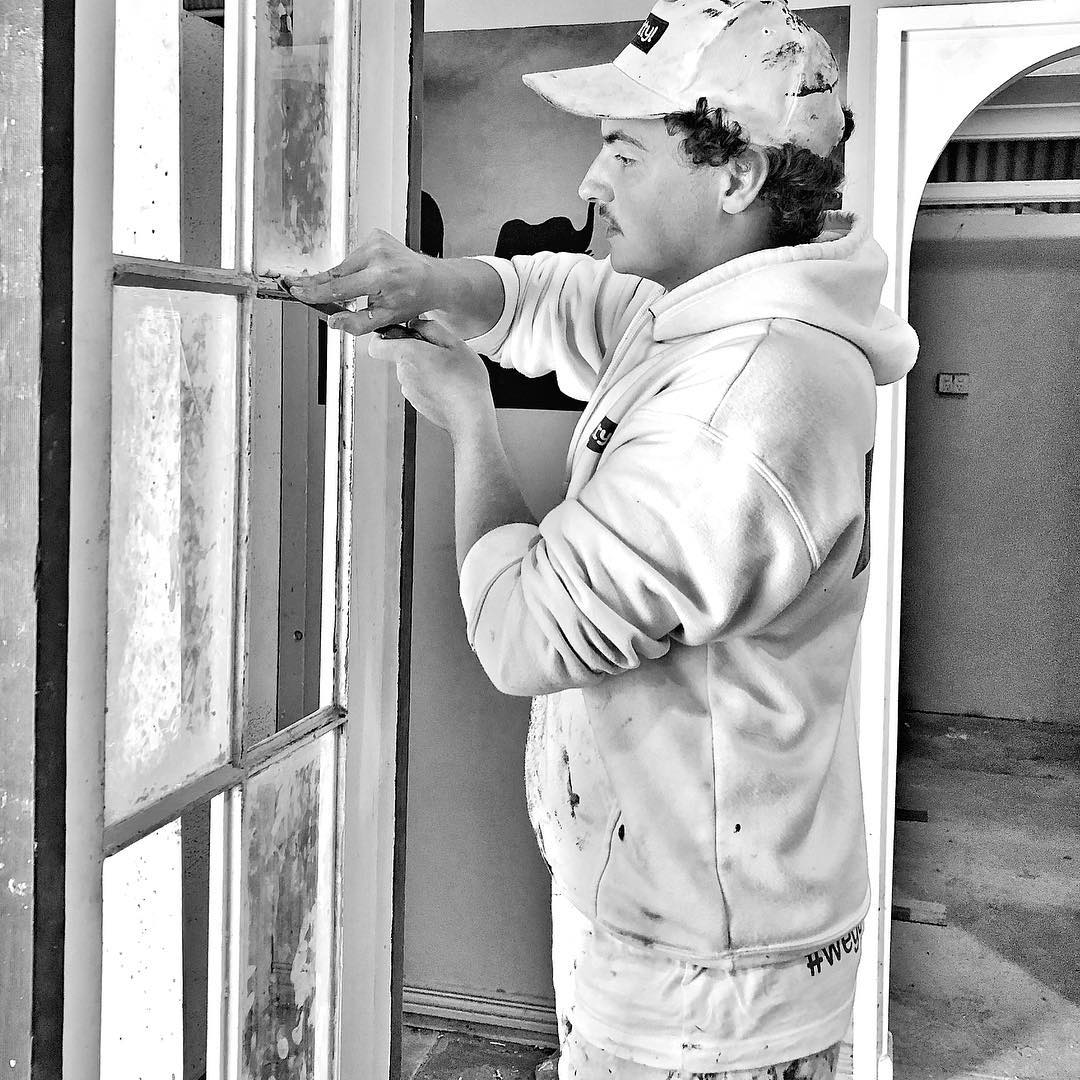

Painting and Decorating

What Skills Will You Learn?

A painting apprenticeship develops technical trade skills as well as the workplace skills needed to perform
safely, efficiently and professionally.

  • Surface preparation for timber, plaster, masonry, metal and other materials
  • Brush, roller and spray application techniques
  • Colour matching, tinting and product selection
  • Wallpaper and decorative finish application
  • PAINTING APPRENTICESHIPS | WEBSITE CONTENT DRAFT
  • SEO-optimised supporting copy for paintingapprenticeships.com.au/apprenticeships/
  • Use, care and storage of painting tools and equipment
  • Measuring areas and estimating paint and material quantities
  • Reading plans, specifications and product information
  • Safe work practices, including working at heights
  • Planning and organising daily work
  • Communicating with supervisors, clients and other trades
  • Quality control and identification of defects

How Does the Apprenticeship Work?

A painting and decorating apprenticeship generally includes four connected parts:

1. Paid employment

You are employed as an apprentice and receive wages while developing your trade skills.

2. On-the-job training

You complete practical work under the guidance of qualified and experienced painters.

3. Formal training
You complete structured training through a TAFE or registered training organisation.

4. Competency assessment
Your skills and knowledge are assessed against the requirements of the nationally recognised qualification.

Is a Painting Apprenticeship Right for You?

Employer Incentives

You do not need to arrive as an experienced painter. Employers commonly place strong value on attitude, reliability and a genuine willingness to learn. The trade may suit you if you:

  • Enjoy practical, hands-on work
  • Like seeing a clear result from your effort
  • Have patience and good attention to detail
  • Are comfortable working indoors and outdoors
  • Can work independently and as part of a team
  • Are reliable, punctual and willing to follow instructions
  • Enjoy colour, design or transforming spaces
  • Are prepared for active and physical work
  • Can follow safety procedures and take responsibility for your work
  • Want a trade that can lead to specialist, supervisory or business opportunities

Where Can the Trade Take You?

Completing a painting and decorating apprenticeship can provide a foundation for work across many parts of
the construction and property industries.
Potential career pathways include:

  •  Qualified painter and decorator
  • Residential or commercial painter
  • Spray painter or coatings applicator
  • Wallpaper and decorative finishes specialist
  • Restoration or heritage painter
  • Industrial coatings worker
  • Leading hand, team leader or site supervisor
  • Estimator or project coordinator
  • Trainer, technical representative or paint-industry salesperson
  • Painting contractor or business owner


(Licensing and contractor requirements vary between Australian states and territories.)

Frequently Asked Questions

Not necessarily. Previous experience can be helpful, but many employers are looking for applicants who are
reliable, motivated and genuinely interested in learning the trade.

Yes. An apprenticeship is paid employment combined with workplace training and formal study. Pay
depends on factors such as age, apprenticeship stage, employment arrangement and the applicable
industrial award.

Painting and decorating apprentices commonly work towards the CPC30620 Certificate III in Painting and
Decorating, the recognised trade qualification for residential and commercial painting and decorating work.
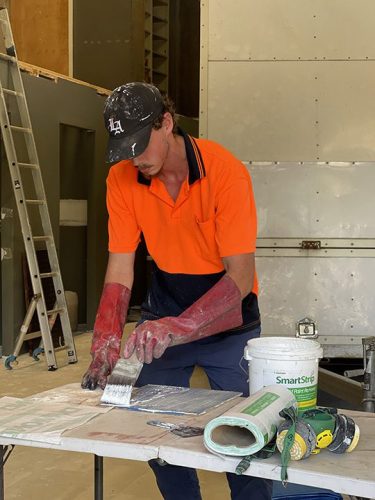
A full-time apprenticeship is commonly structured over approximately four years. The actual duration may
vary depending on the state, training arrangement, prior experience and competency progression.

Yes. Apprenticeships are not limited to school leavers. Adults and career changers can also apply, including
people seeking a mature-age apprenticeship.

No. Painting and decorating work can include homes, apartments, offices, schools, retail spaces,
commercial buildings, renovations, industrial facilities and infrastructure.

Yes. The trade requires technical accuracy, but it can also involve colour selection, decorative finishes,
wallpaper, restoration and transforming the appearance of a space.

Yes. Many qualified painters eventually operate their own businesses. Business ownership also involves
licensing, quoting, customer service, insurance, compliance and financial management.